
Hidden Risks of GLP-1
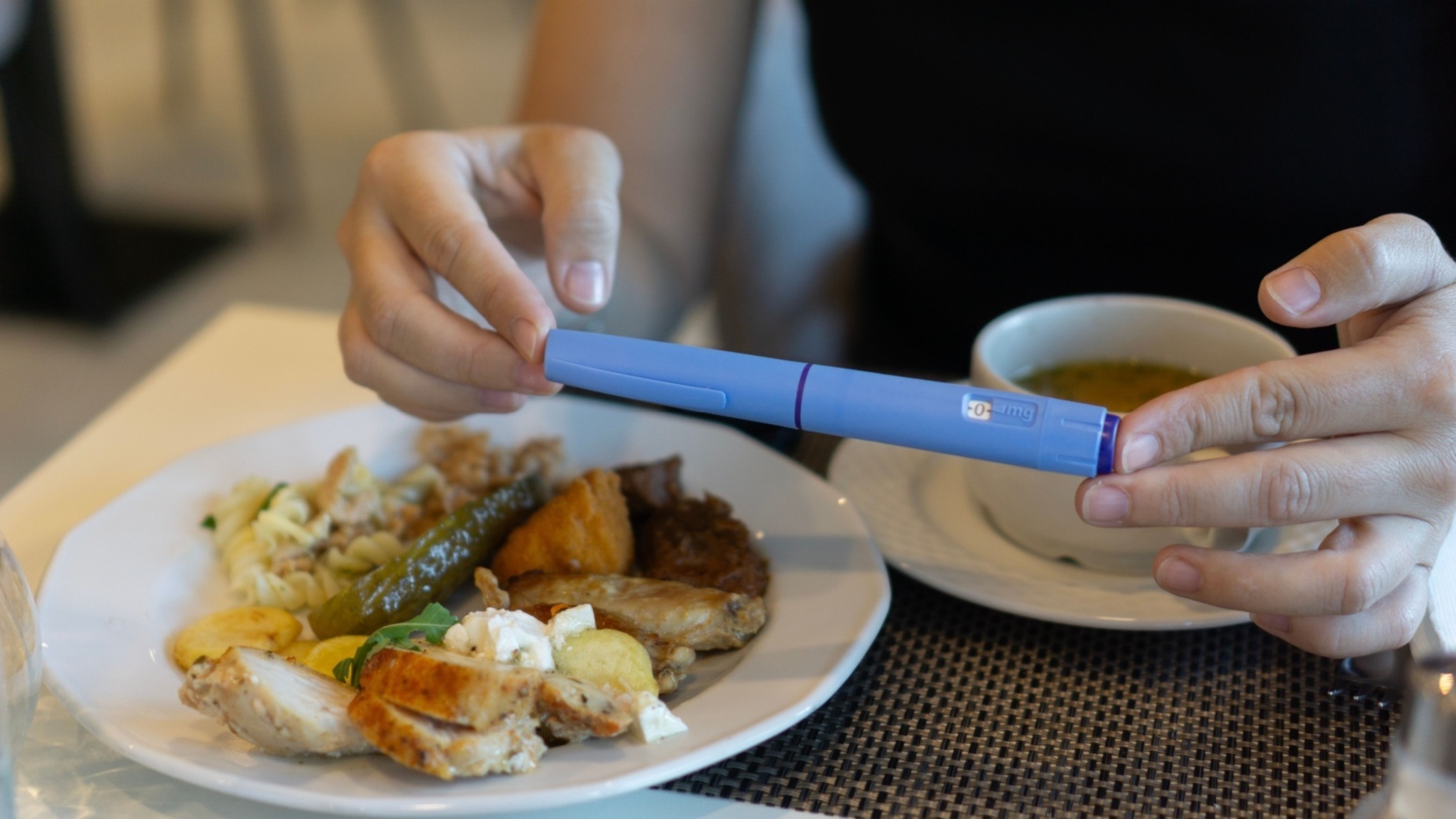
The use of glucagon like peptide-1 (GLP-1) weight-loss drugs to control obesity and Type-2 diabetes is on the rise. J.P. Morgan Global Research estimates that in 2025 about 10 million Americans were being treated with GLP-1, and they forecast that the number of patients will increase to 25 million by 2030. The drugs work by suppressing appetite and increasing feelings of fullness resulting in a reduced calorie intake of 16% to 39%. However, up to 40% of a patient’s total weight loss may come from reduced lean body mass, including muscle.
A systemic review of twelve studies led by the University of Cambridge and published in Obesity Reviews found a lack of dietary advice and support for patients taking weight-loss drugs. Because GLP-1 patients limit what they eat, they may not be getting enough protein, fiber, vitamins and minerals that could contribute to short- and long-term health issues including fatigue, muscle loss, impaired immunity, hair loss, and osteoporosis. Muscle loss is a contributing factor to an increased risk of injuries and falls.
The review’s authors say that additional research is needed to identify the types of information and support GLP-1 patients need as well as how taking these drugs change eating habits, appetite, wellbeing, and quality of life so that dietary best practices to complement the weight-loss drugs can be developed. In the meantime, the authors recommend GLP-1 patients consult with a dietitian when they begin taking the drug and prioritize nutrient-dense foods and high-quality protein intake throughout the day to preserve lean muscle mass, while avoiding saturated and other fats. They point out that eating small, frequent meals also may help relieve side effects such as nausea.