
COVID Loneliness Prompts a Spike in Dog Adoption
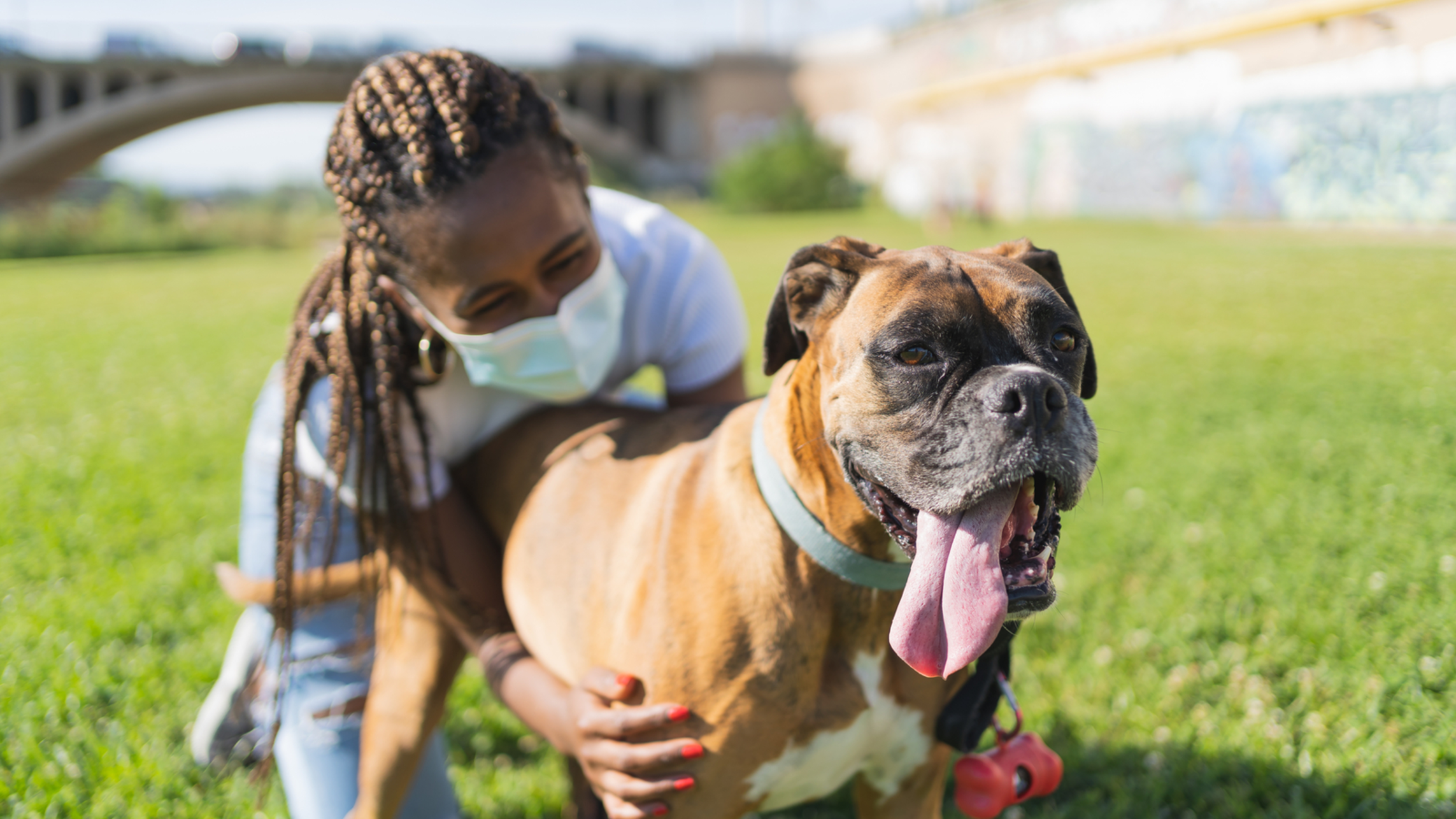
A silver lining of the COVID-19 pandemic is the uptick in dog adoption. Since more people now work from home and aren’t able to spend as much time socializing, many have turned to four-legged friends to keep them company. By April last year, several months into the pandemic, adoption rates had increased by 30%. By the end of last year, $99 billion had been spent on pet supplies.
Dogs are adopted for companionship, among other reasons. One study compared participants who had plans to adopt a dog within the month to control groups. Activity level, cardiovascular health, and psychological state, including loneliness, anxiety, and depression, were measured for each participant at several intervals over about a year. The study found that while people who owned a dog were more active at first, after eight months, their physical activity was no different than control groups. However, for those who adopted dogs, loneliness decreased by 40% and maintained at a lower level over time.
The psychological results of this study are most likely due to an increase of oxytocin, a hormone that can foster bonding, relaxation, feelings of well-being, and a decrease in heart rate. Dogs also help create routines in a household and encourage their owners to get outside and take walks, which can be extremely beneficial to mental health, especially during a pandemic.
Pinker, S. (2020). Do dogs really make us happier? The Wall Street Journal. https://www.wsj.com/articles/do-dogs-really-make-us-happier-11609348272?page=1