
The New Ethics Frontier of Brain Technology
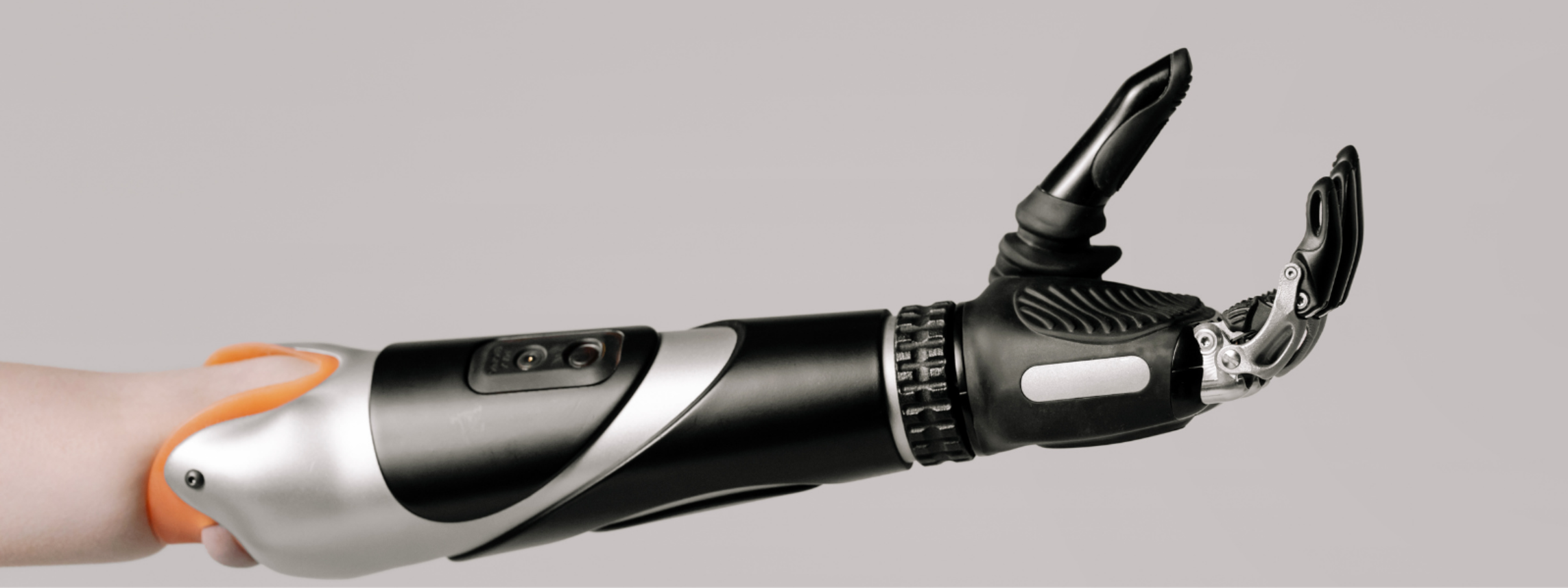
Imagine a technology so powerful it can bypass the muscles and connect directly to a user's thoughts. Today, medical science is turning this science fiction into reality. Through brain-computer interfaces (BCIs), paralyzed individuals can move robotic limbs, steer wheelchairs, or control digital cursors simply by imagining the action. While these medical breakthroughs offer profound hope, they also dance at a delicate line, merging human consciousness with artificial intelligence (AI).
A 2017 study published in Nature outlines the ethical considerations surrounding the rapid convergence of AI and neurotechnologies (devices that directly interact with the nervous system to monitor, interpret, or influence brain and body activity.) It is a statement made by foremost thinkers, ethicists, and neuroscientists on the emergent ethical concerns these technologies present. As these technologies have advanced at breakneck speeds since the paper's first publication, it is now more timely than ever to examine both the potential benefits and risks to human privacy, identity, and agency.
To understand why scientists are raising the alarm, consider a hypothetical scenario: a patient with a brain implant becomes irritated with the clinic team during a clinical trial. Moments later, their robotic prosthetic arm turns and crushes a cup, injuring a researcher. Did the patient intentionally cause harm, or did the AI mistake a passing wave of anger for a physical command? Who was in control, and if the injury had been major, who would be responsible?
This scenario exposes the fragile boundaries of agency and identity—our sense of self and personal responsibility. When a machine "auto-completes" our thoughts into actions, the line between human intent and computer code begins to blur.
Furthermore, these devices introduce unprecedented challenges to mental privacy. Existing smart gadgets already track our locations and purchasing habits to a dizzying degree; neurotechnologies could tap directly into our subconscious desires and emotions. Ethicists in this paper argue that human thoughts must never be treated as commodities. They advocate for strict "opt-in" privacy laws, treating our neural patterns with the same legal protections we apply to human organs.
There is also the looming risk of augmentation and bias. If these technologies transition from medical clinics to the commercial market, they could be used to engineer "super-human" cognitive traits, triggering a dangerous mental arms race that deepens societal inequality. Additionally, if the underlying AI is trained on biased data--as has been demonstrated in AI chatbots since the paper's first publication--it might misinterpret the brain signals of different demographic groups, leading to faulty or discriminatory medical treatments.
Takeaway
Medicine has long relied on the Hippocratic Oath: "at the least, do no harm." The authors put forth that tech developers, AI programmers, and neuroscientists now urgently need their own version of this ethical code. Before these powerful tools become a regular part of daily life, they argue that society must establish foundational "neuro-rights" to ensure that the technology designed to heal us always respects and protects human dignity.
Yuste, R., Goering, S., Arcas, B. et al. Four ethical priorities for neurotechnologies and AI. Nature 551, 159–163 (2017). https://doi.org/10.1038/551159a
https://academic.oup.com/pnasnexus/article/5/3/pgag022/8503065