
Chiropractic Care Affects Brain Wave Activity
A parallel-group randomized controlled study, published in 2024 in Brain Sciences, investigated how chiropractic care affects the central nervous system.
The study evaluated 76 participants with chronic low back pain, randomly dividing them into two equal groups: one receiving chiropractic care alongside standard care, and a control group receiving only standard, non-chiropractic care.
By evaluating participants immediately after their first session and tracking them via Fitbit over four weeks, researchers sought to uncover the biological mechanisms behind spinal adjustments. They continuously tracked daily habits, assessed quality-of-life metrics (like anxiety and pain), and measured the strength and speed of electrical signals traveling from body nerves to the brain.
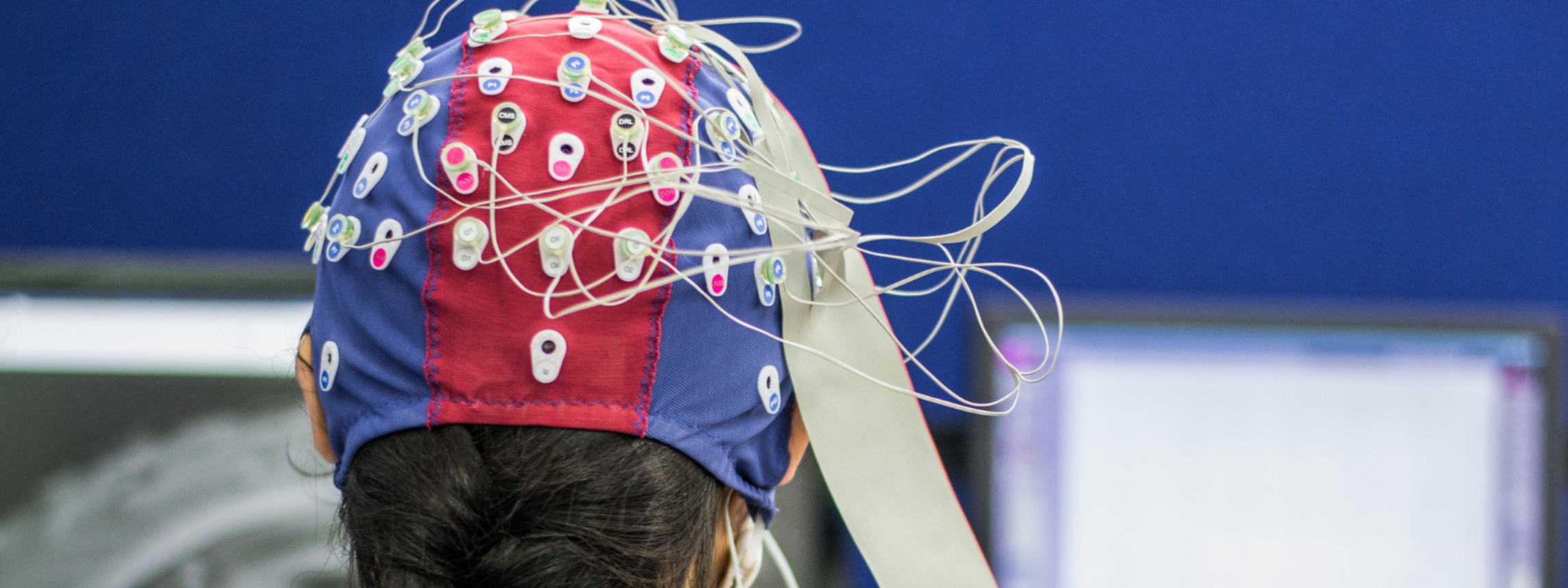
Using an electroencephalogram (EEG) to record electrical brain waves, researchers analyzed the power of different brain frequencies immediately after the first treatment. The chiropractic group showed:
- An increase in Theta waves (associated with relaxation), Alpha waves (linked to calm alertness and pain filtering), and Beta waves (active attention)
- A decrease in slow Delta waves (typically dominant during deep sleep)
Authors posit that these rapid shifts point to the potential of a single spinal adjustment to change baseline brain activity. The findings revealed that fast, precise spinal adjustments shifted brain wave patterns.
Data collected from Fitbit wearables showed that these neurological shifts translated into tangible daily benefits, including a significant increase in the duration of light sleep stages.
Furthermore, patient surveys showed clinically meaningful improvements in overall quality of life. By the end of the four weeks, the chiropractic group reported substantial reductions in pain intensity, anxiety, depression, and fatigue compared to the control group.
Ultimately, the authors conclude that the wide-ranging health benefits of chiropractic care may be driven by positive, health-promoting changes in brain activity, helping chronic pain patients improve both their physical movement and their mental well-being.
Haavik, H., Niazi, I. K., Amjad, I., Kumari, N., Ghani, U., Ashfaque, M., Rashid, U., Navid, M. S., Kamavuako, E. N., Pujari, A. N., & Holt, K. (2024). Neuroplastic Responses to Chiropractic Care: Broad Impacts on Pain, Mood, Sleep, and Quality of Life. Brain sciences, 14(11), 1124. https://doi.org/10.3390/brainsci14111124