
HHS To Monitor Microplastics in Drinking Water
On April 2, the U.S. Department of Health and Human Services (HHS) announced a new federal plan to monitor plastic pollution in drinking water. The initiative, developed in coordination with the Environmental Protection Agency (EPA), marks the first time microplastics have been formally prioritized at the federal level for drinking water oversight.
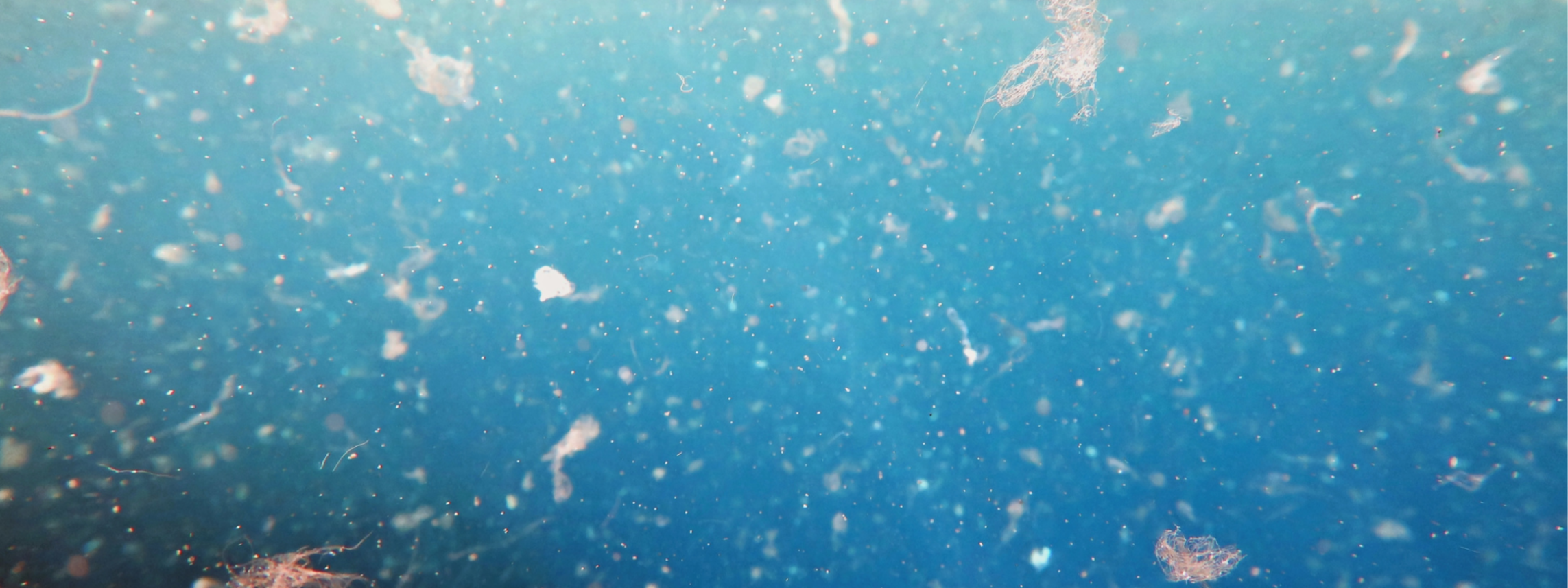
Microplastics are tiny plastic fragments often invisible to the naked eye; they are created as ubiquitous plastic products such as clothing, food packaging, and household items break down. These particles have been detected across ecosystems, including soil, waterways, plants, animals, food products, and in human bodily tissues. While their long-term health effects remain unclear, some studies have suggested potential links to cardiovascular conditions and fertility issues.
Under the new plan, microplastics will be added to the EPA’s Contaminant Candidate List, which identifies substances that may require future regulation. The designation requires water suppliers to monitor for these contaminants under the Safe Drinking Water Act, even if no enforceable limits currently exist. The list will also expand to include “forever chemicals,” or polyfluoroalkyl substances (PFAS), along with certain pharmaceuticals and disinfection by-products.
The plan outlines efforts to standardize detection methods, map microplastics within the human body, and explore potential strategies to remove microplastics from the human body. However, technologies for mapping and removing microplastics in the body are not currently scientifically available; no research funding to develop these technologies has been allocated by the plan.
The federal action follows state-level efforts, including programs in California which began monitoring and removing microplastics from drinking water in 2023.
Experts also point out that while monitoring drinking water is a significant step, it does not address other major exposure pathways, such as food contamination from plastic packaging. No federal regulations of microplastics in drinking water have been proposed at this time.
Young, L. J. (2026, April 2). RFK, Jr., and EPA announce plan to track microplastics in tap water and humans. Scientific American. https://www.scientificamerican.com/article/rfk-jr-and-epa-announce-plan-to-track-microplastics-in-tap-water-and-humans/