Toggle main navigation



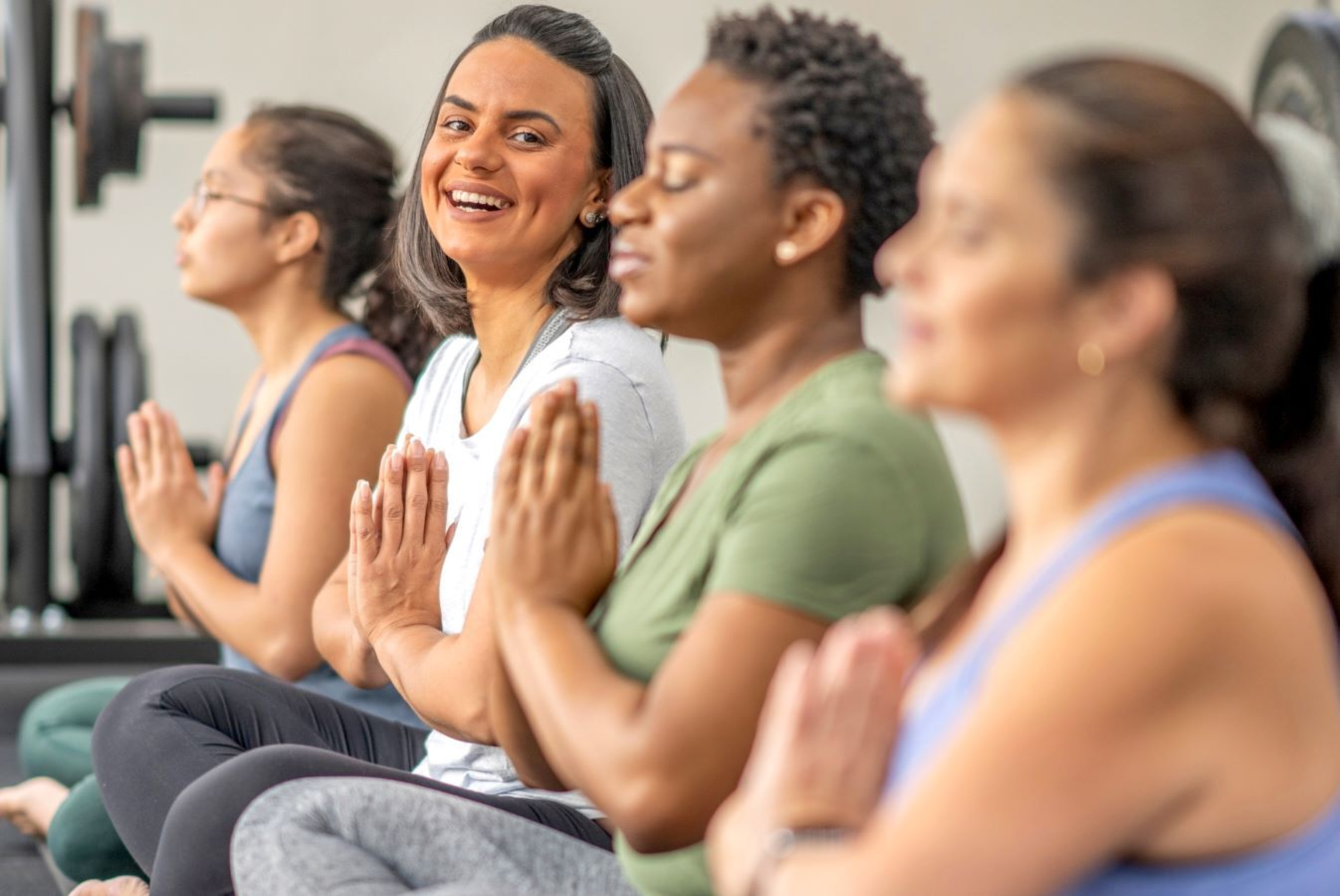
Mental wellness is no longer considered a separate pillar of health; it is becoming deeply integrated into physical fitness routines across the country. As the discourse surrounding emotional and psychological well-being becomes more open and less stigmatized, there is a shift in how people approach exercise. Not only is fitness focused on building muscle and burning calories, but increasingly it is about fostering resilience, restoring balance and supporting the mind as well as the body.
This integration of mental wellness emphasizes practices such as breathwork, guided meditation, intentional recovery and nervous system regulation as core components of a comprehensive fitness regimen. For health-conscious individuals seeking vitality and longevity, this is a natural evolution of holistic living.
“The physical body reflects what is mindfully and energetically present,” shares Dawn Coleman, a certified personal trainer and life transformation coach based in Cedarburg, Wisconsin. “Honoring the body’s physical well-being requires that we consider energetic pathways that allow the nurturing of the soul and mind, which, in turn, promotes physical fitness.”
Mind-Body Integration
Today’s approach goes beyond the endorphin rush of a workout. Wellness buffs are looking for fitness environments and tools that help calm the mind, process emotions and foster inner strength. Gyms and studios are responding by incorporating stress-relieving modalities into their offerings. It is not uncommon to find yoga classes ending with a 10-minute guided meditation or strength sessions that begin with focused breathwork. Even high-performance athletes are embracing these new tools, recognizing that mental clarity and nervous system regulation enhance both performance and recovery.
Reimagining the Gym
The design of fitness spaces is evolving toward environments that promote wholeness and healing. Lighting and music are intentionally curated to create inviting atmospheres, while recovery lounges are incorporated for meditation or breathwork practices. This evolution has been particularly meaningful for women experiencing burnout, hormonal fluctuations or chronic stress.
Rather than pushing through fatigue or anxiety, individuals are adopting restorative practices that align with their physical needs. Many gyms, as well as yoga and Pilates studios, are offering supplemental therapies to support mental and physical fitness objectives. Sauna, red light and cold plunge therapies have become more accessible than ever.
Enduring Wellness
Mental wellness integration is more than a trend; it is a redefinition of what it means to be fit, challenging the old “no pain, no gain” model and replacing it with a deeper, more sustainable approach to health.
This shift is being embraced not only because it feels good in the moment, but also because it supports long-term well-being. People are learning to treat their minds with the same care and intention as their muscles. By doing so, they are redefining strength, not as something visible, but as something profoundly felt—steady breathing, calm thoughts, inner peace. In a fast-paced world that often demands more and more, mental wellness integration offers a path toward greater equilibrium, presence and joy throughout the journey.
Jordan Peschek has a background in personal training, yoga instruction and mental health nursing. She publishes the Milwaukee and Twin Cities editions of Natural Awakenings.
Original article published at Natural Awakenings National

