Toggle main navigation



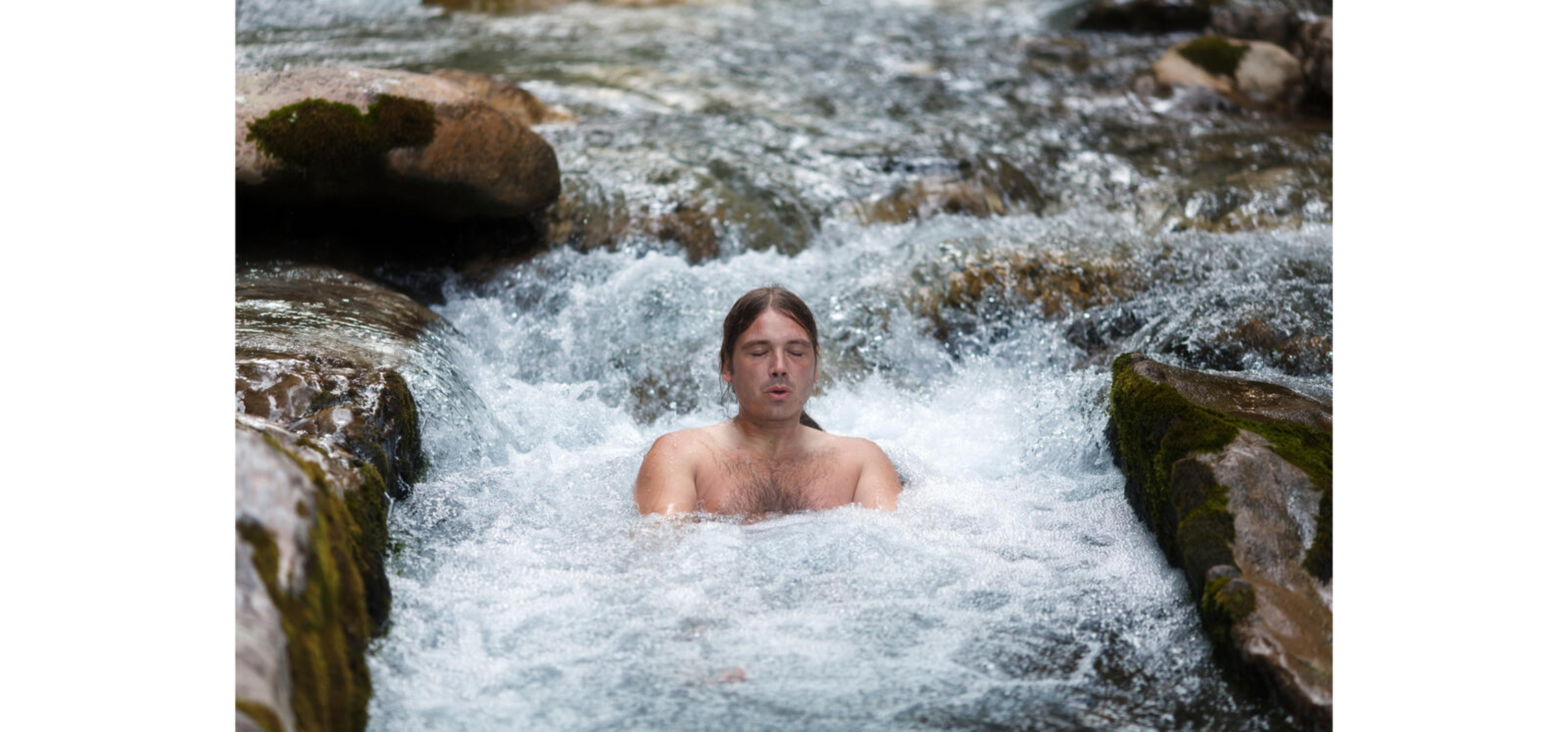
Stress gets a bad reputation, but some forms can be quite beneficial. Hormesis, a self-imposed stress to the body, teaches it to become resilient. Cold therapy is a popular method used by athletes, biohackers and others looking to optimize their performance and physical health.
According to Molly Maloof, a concierge physician, biohacker and consultant to more than 50 companies, there are several types of cold therapy, including a cold shower or cold plunge with 50 to 59 °F water; an ice bath where the water is 41 to 50 °F; and cryotherapy, which exposes the body to extremely cold air (-166 to -220 °F) in a specialized chamber. Maloof notes, “Women may not need as cold a plunge as men because women shiver at higher temperatures and are more sensitive to cold.”
Benefits of Cold Therapy
According to Tom Moorcroft, a board-certified physician specializing in chronic, tick-borne illnesses, “People with chronic inflammatory conditions generally do really well [with cold therapies], both from a perspective of lowering inflammation and dealing with the stress of chronic illness. Patients with chronic, tick-borne infections typically report less pain and inflammation, improved energy and better overall quality of life with even a short 60- to 90-second cold shower daily. A cold plunge three to four times a week improves symptoms even more.”
Maloof notes the following benefits:
Contraindications
Moorcroft states that common side effects of cold therapies include cold skin, temporary dizziness, lightheadedness or headache, an increase in blood pressure and, rarely, frostbite or skin rash. According to both Maloof and Moorcroft, cold therapies are contraindicated for patients with uncontrolled hypertension, an inability to sense the extremities, an allergy to cold, Raynaud’s disease, pregnancy, open wounds, skin infections or recent surgery.
Cold therapy might also be inadvisable for people with eating disorders, as it can exacerbate a disordered metabolism. Cryotherapy is not recommended for those with cardiovascular conditions, stroke history, claustrophobia, severe anxiety disorders, deep vein thrombosis or serious respiratory problems. Cold plunges or ice baths are not recommended for those with epilepsy, diabetes or hypothyroidism.
Tips for Taking the Plunge
Maloof recommends beginning with cool showers and slowly decreasing the temperature for brief periods. Her other recommendations for safely experiencing the benefits of cold therapies include:
“[Cold showers] are more accessible, and more people I work with are likely to start with these than a cold plunge or a cold chamber,” says Moorcroft. “Personally, I prefer a cold plunge by a long shot. It’s a more Zen and focusing experience.”
Madiha Saeed is a holistic, functional and integrative doctor in Naperville, Illinois, and director of education for Documenting Hope and KnoWEwell.
Original article published at Natural Awakenings National

