Toggle main navigation



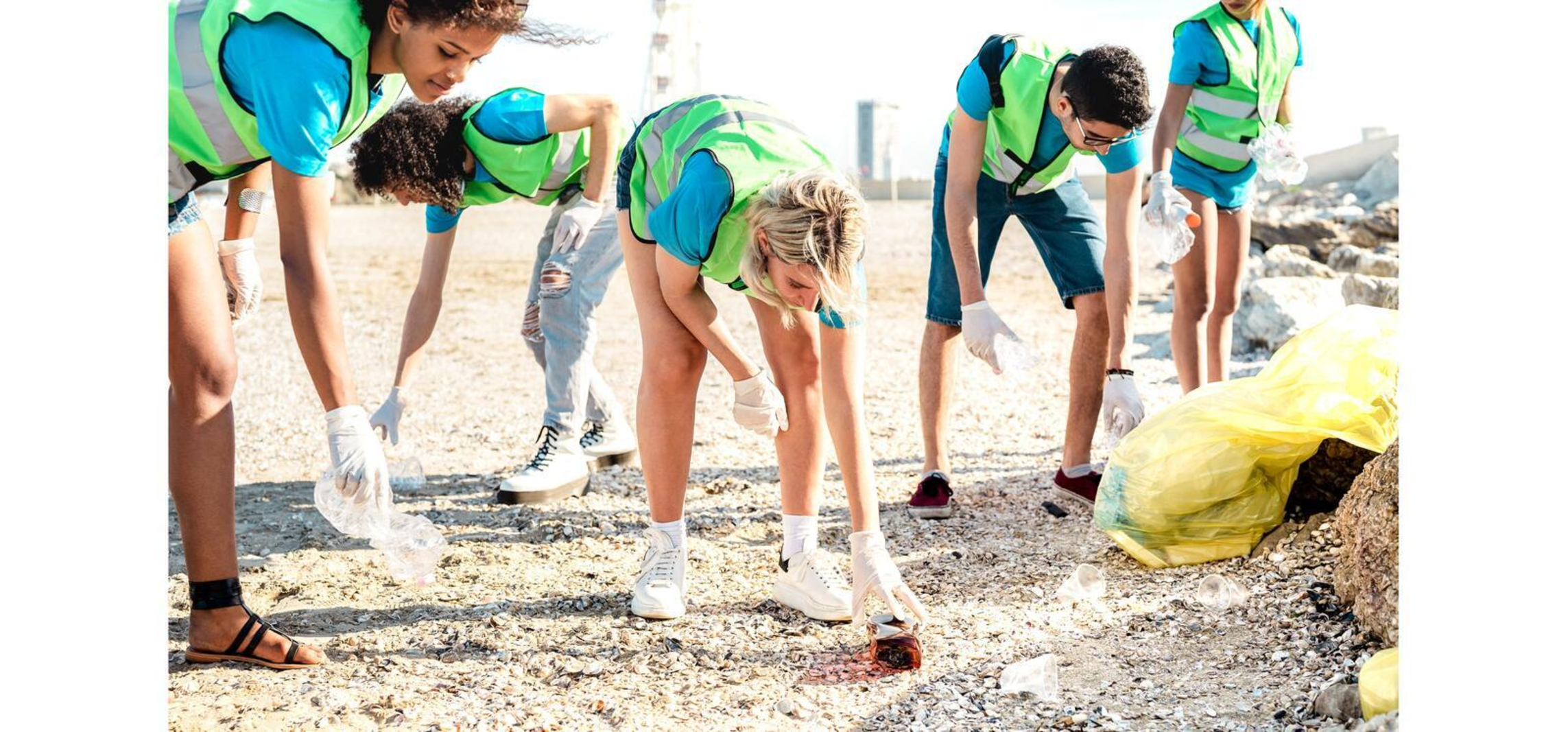
The biblical adage that all rivers lead to the sea is one way of saying that all water is connected. This natural design moves water from one place to the next, which means that polluting or littering along one creek eventually pollutes all waterways.
According to the Ocean Conservancy, 11 million metric tons of plastic enter the ocean each year, joining an estimated 200 million metric tons already circulating there. While many organizations and individuals engage in waterway cleanups on Earth Day in April, attention is needed the rest of the year, too.
Clean waterways support healthy ecosystems, beautify outdoor spaces, provide a safe habitat for wildlife and improve outdoor recreational experiences. We can all play an impactful role in keeping waterways clean.
Most litter is found along the water’s edges, beaches, walking paths and parking areas. By committing to consistently keeping a section of waterway clean, we can deter others from littering in the area. “Studies have found that clean places stay cleaner,” says Lauren Berent Burgess, engagement director of Denver, Colorado’s The Greenway Foundation, a nonprofit steward of the South Platte River. “Something in our mentality will stop us from destroying a place that looks nice. We feel less guilty littering somewhere there is litter already. You can always help keep a waterway clean by maintaining it.”
The U.S. Environmental Protection Agency provides information online about actions to take around the house and in the community to support waterways. To learn more, visit epa.gov/urbanwaterspartners/how-you-can-help. Also consider joining a local nonprofit that hosts cleanups, including Adopt a Beach, Ocean Conservancy, Keep America Beautiful, Waterkeeper Alliance and American Rivers.
“If you know somewhere is going to flood, clean up the area before it happens and while water levels are still low to prevent the trash from being swept away,” says Callie Schaser, the communications specialist at Living Lands & Waters, a river cleanup organization headquartered in Illinois. “They may seem small, but picking up items like cigarette butts can have a big impact, especially because of all the contaminants that are in the filter. One cigarette filter can pollute up to two gallons of water before the contaminants are gone.”
Safety Tips
What to Bring to a Cleanup
The Impact of Organized Action
When individuals get organized, work together and execute cleanups consistently over time, their collective impacts can be transformative. The Ocean Conservancy has collected almost 349 million pounds of trash since 1986. Living Lands & Waters has cleaned up 25 rivers in 21 states and hosted 1,400 community-based cleanups that have removed more than 13 million pounds of trash since 1998. American Rivers has cleaned up 32.5 million pounds of litter and debris with the help of 1.3 million volunteers covering 261,000 miles of waterways since 1991.
Other Ways to Maintain Waterways
Original article published at Natural Awakenings National

