Toggle main navigation



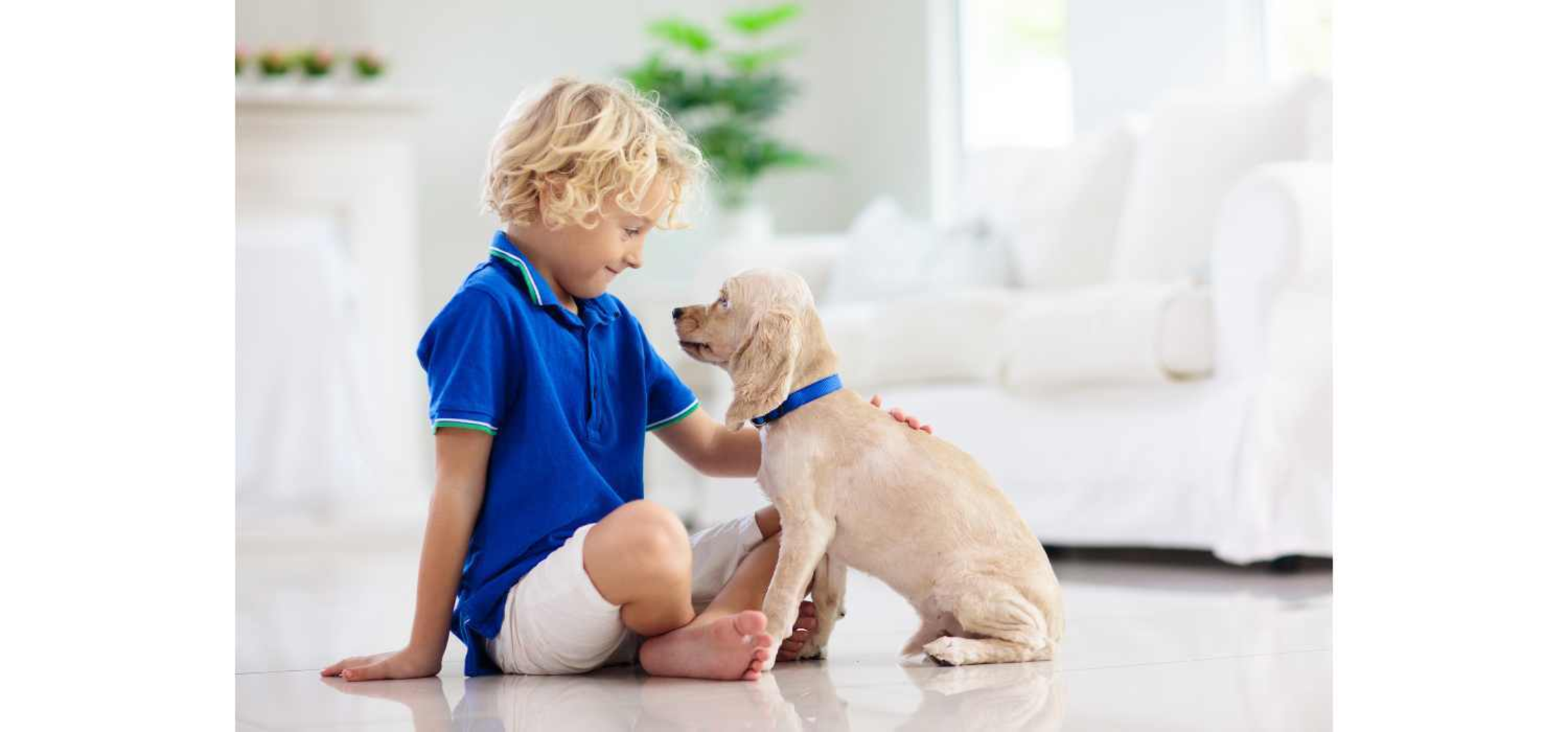
Fostering puppies to become guide dogs or service animals can be a deeply meaningful endeavor. Beyond being loyal companions, these special pups profoundly impact the lives of people with disabilities by offering mobility and a newfound sense of freedom. They not only assist in navigation but also pave the way for social opportunities and contribute to the overall happiness and well-being of their owners.
In a 2019 study published in the journal Animals, Austrian researchers compared the quality of life and annual medical costs of 36 blind individuals with and without a guide dog by means of a standardized questionnaire. Although no significant differences in quality of life were noted, the guide dog owners reported lower medical costs and expressed a firm belief that their canine companions facilitated social contacts and had a positive impact on their independence and health.
Critical Role of Foster Families
Breeds known for their intelligence and temperament, such as Labradors, golden retrievers and German shepherds, are preferred choices. Their guide-dog journey begins just days after they are born, when foster families take them in and expose them to new experiences, sounds and surfaces, along with early tutelage in body handling, kennel training and wearing a puppy jacket.
At 8 weeks old, the pups begin to learn good manners and socialization skills. This period is pivotal in preparing them for formal service-dog training. Nearly half of the canines bred to become guide dogs fail before the end of their training because they are skittish and fearful. In a 2021 study, also published in Animals, French researchers sought to understand the nature and causes of such fears by observing and measuring stress biomarkers of 5-month-old guide-dog candidates as they were exposed to unfamiliar people, visual and sound stimuli, and physical handling.
The scientists concluded that the more time a puppy spent alone, the more likely it was to be afraid, underscoring the importance of early socialization and habituation to boost confidence and adaptability by exposing them to different people, animals and environments. The researchers characterized the early development period of puppies as “a decisive phase influencing their temperament in adulthood,” thereby enhancing their chances of success as guide dogs.
Fostering Tips
Caring for a guide-dog candidate during its formative first months can make or break the animal’s future performance. Here are a few tips for foster parents.
Training Programs and Organizations
After leaving their foster families, usually around the age of 12 to 18 months, guide-dog candidates will enter a formal training program, such as the one offered by the nonprofit Guide Dogs for the Blind, the largest school of its kind in North America, with campuses in California, Oregon and Canada. Here, the young canines learn specialized skills needed to assist their future owners—a process that takes at least another year. All of the training and support is provided free of charge, made possible by donors and volunteers.
To learn more, visit Guide Dogs for the Blind (GuideDogs.com), Seeing Eye Dogs (SeeingEye.org) and Guiding Eyes for the Blind (GuidingEyes.org). There are numerous ways to help these organizations such as volunteering time, donating money, fostering puppies or assisting in awareness campaigns.
Ruth Roberts is an integrative veterinarian and holistic health coach for pets, as well as the creator of The Original CrockPet Diet. Learn more at DrRuthRoberts.com.
Original article published at Natural Awakenings National

